


In 1989, Robert Fulghum, followed his first publication All I Really Need to Know I Learned in Kindergarten with a second book of anecdotes called It Was on Fire When I Lay Down on It. The title is based on the first chapter in the book, which references a local newspaper story where firefighters rescue a man from a house with smoke billowing out of the second story window. They find the man lying on a smoldering mattress. When they ask him how the fire started he responds by saying “I don’t know, it was on fire when I lay down on it.”
What qualities would you ascribe to a person who chooses to lie down on a smoldering mattress? Apathy? Ignorance? A death wish? All the signs were there, but he climbed into bed anyway. How ridiculous!
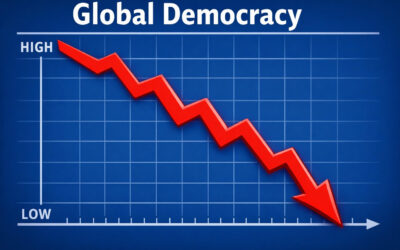
But lest we be too dismissive of the poor sod, it seems a whole generation of United States citizens also have all the signs of a smoldering bed yet choose to climb into it anyway. The signs of democratic decline, the loss of human rights and freedoms, the encouragement of violence and gun use, the demonization of liberal principles in favour of right-wing dogma—the bed is on fire and many climb in anyway.
Juan Linz, in his influential 1978 work The Breakdown of Democratic Regimes, and as echoed by scholars like Levitsky and Ziblatt, identified four early warning signs of the smoldering bed of democratic decline: rejection of democratic rules, denial of the legitimacy of political opponents, tolerance or encouragement of violence, and the willingness to restrict dissent, including criticism from the media.
These same warning signs of “democratic backsliding” in the United States have been gradually appearing. However, since January of this year, there has been an accelerated decline of democracy. Here are some real U.S. examples of Linz’s four signs of a dying democracy:
1. Rejection of democratic rules
- Refusal to accept election results: Trump’s sustained efforts to overturn the certified results of the 2020 presidential election, including pressuring state officials to “find votes,” launching frivolous court cases, and ultimately encouraging disruptions of the electoral certification process, directly violated accepted democratic procedures.
- Undermining electoral integrity: Frequent and baseless claims of widespread voter fraud aimed to cast doubt on the legitimacy of U.S. elections, eroding public confidence in foundational democratic processes.
2. Denial of the legitimacy of political opponents
- Attacks on political rivals: Trump repeatedly characterized Democratic opponents, most notably Joe Biden and Hillary Clinton, as illegitimate or criminal, encouraging supporters to “lock her up” and suggesting that only fraud could produce his defeat—claims with no basis in fact.
- Delegitimizing impeachment proceedings: Trump’s rhetoric portrayed Congressional oversight and his two impeachments as partisan witch hunts rather than legitimate exercises of constitutional authority.
3. Tolerance or encouragement of violence
- January 6 Capitol attack: Trump publicly called on supporters to “fight like hell” and march on the Capitol on January 6, 2021. The ensuing violent riot aimed to disrupt the certification of electoral results and resulted in deaths, injuries, and an attack on democratic institutions.
- Encouraging vigilante behavior: During the 2020 presidential debate, Trump told the far-right Proud Boys militia to “stand back and stand by,” which was interpreted as a signal of support for extremist groups.
4. Willingness to restrict dissent, including criticism from the media
- Labeling media the “enemy of the people”: Trump regularly attacked journalists and media outlets, branding them as “fake news” and “the enemy of the people,” a phrase historically associated with authoritarian efforts to suppress critical reporting.
- Encouraging punitive actions: His administration attempted to revoke media credentials from reporters and outlets deemed unfriendly, and he frequently called for changes to libel laws to make it easier to sue journalists critical of him.
Each of these events directly corresponds to Linz’s framework and has been cited by political scientists and democracy experts as cause for concern about the health and resilience of democratic institutions in the United States during Trump’s leadership.
Standing With Canada means resisting the influence of the U.S.A. on our own democratic institutions. The lesson from the U.S. is that no democracy is immune—decline starts slowly and accelerates when elites spread undemocratic attitudes and when citizens become disengaged. Canada’s more centrist political culture offers no absolute protection, making vigilance and civic activism essential to stave off democratic backsliding.
- Strengthen and defend institutions: Support for independent courts, non-partisan oversight bodies, and a robust parliamentary system is crucial. Demand transparency and accountability from leaders, regardless of party, to reinforce checks and balances.
- Insist on party moderation: Hold Canadian political parties to high standards of internal democracy and reject candidates or leaders who demonize opponents, question electoral legitimacy without cause, or flirt with political violence.
- Uphold a strong, independent media: Defend funding and legal protections for journalism without accepting overreach that could compromise independence. Demand that editorial boards and journalists resist government pressure for positive coverage or self-censorship.
- Promote civic literacy and pluralism: Invest in public education about democratic norms, civil rights, and media literacy to build societal resilience against misinformation and demagoguery.
- Reject imported wedge issues: Be alert to American-style culture-war framing and divisive narratives in Canadian politics. Encourage reasoned debate and call out the importation of U.S. talking points that polarize and distract from genuine Canadian concerns.
- Engage as active citizens: Vote, participate in policy discussions, support civil society organizations, and hold representatives accountable. The health of democracy depends on active and informed civic engagement.
- Foster cross-party dialogue: Encourage politicians and citizens to work across party lines on upholding democratic values, especially during periods of heightened polarization or economic/social anxiety.
- Get involved with Standing With Canada: Complete this form to let us know how you would like to stay informed and take part in this movement.





0 Comments